
Modular Makeovers for Everyday Interiors, Made Practical and Inspiring

Why Modular Changes Work in Real Homes
From Chaos to Clarity: The Zone Approach
Start by assigning zones—focus, rest, dining, play—even if they overlap. Use rugs, lighting angles, and shelf placement to define edges instead of walls. One reader used a rolling cart to swap a craft zone into a breakfast station each morning, preserving calm. Zones make cleaning faster too, because everything has a defined moment and place. Comment with your current pain point, and we’ll propose a modular zoning tweak to reclaim flow without buying an entire furniture suite.
Scalable Pieces that Grow with You
Choose furniture that extends, stacks, or separates. A two-piece coffee table can park as nightstands; a nested bench becomes extra seating during game nights. My neighbor combined two identical storage cubes into a media console, then split them when guests needed side tables. The trick is visual compatibility and standardized dimensions. Start small, test a swap for a week, and note which configuration feels effortless. Share your favorite multi-use piece so others can learn from your crafty transformations.
Material Choices That Welcome Change
Durable finishes and repairable materials make experimentation less risky. Powder-coated steel resists scuffs when rearranged, and solid wood accepts refinishing after frequent moves. Removable adhesives, felt sliders, and screw-in levelers enable swift reconfiguration without visible scars. One renter used peel-and-stick veneer on two mismatched cabinets, finally unifying them. Think in layers: base structure, replaceable doors, swappable hardware. When each layer can change independently, style updates become weekend projects, not renovations. Tell us which materials you trust, and we’ll help build a flexible plan.
Room Assessment and Smart Planning

Measure Once, Adapt Often
Light, Traffic, and Reach
Budget Envelopes and Phased Upgrades
Swappable Furniture and Storage Systems
Reconfigurable Sofa Systems for Dynamic Living
Shelving That Adjusts as Collections Evolve
Hidden Storage Modules That Quiet Visual Clutter

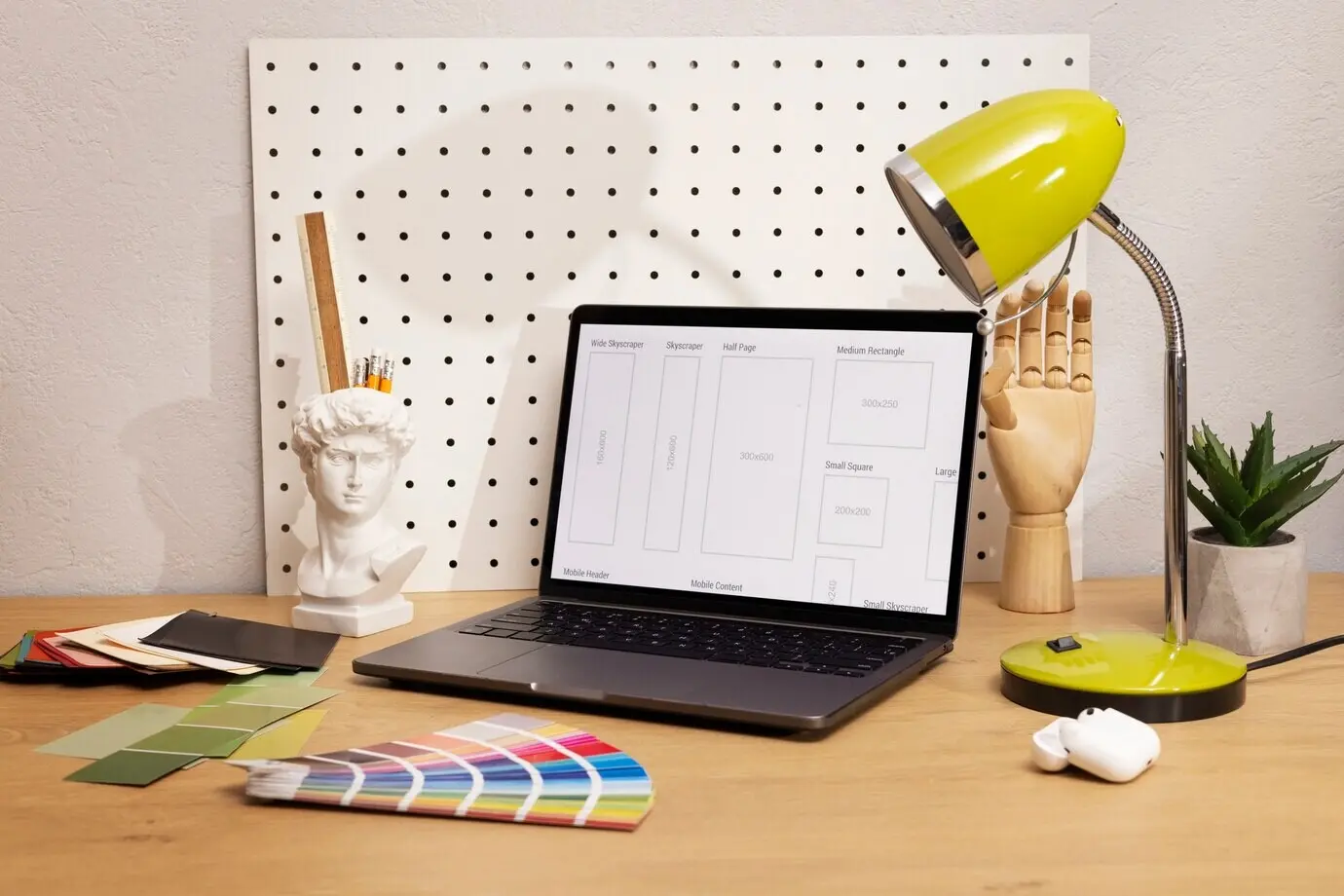
Magnetic Rails and Grid Walls for Agile Tools
Modular Pantry Logic That Reduces Waste

Clip-On Fixtures That Transform Small Bathrooms


Color, Texture, and Personality Without Commitment
Sustainable, Repairable, and Budget-Savvy Choices

All Rights Reserved.